
New Zealand has quietly transformed into one of the world’s most exciting wine and culinary destinations. This island nation stretches nearly 700 miles from north to south, offering extraordinary diversity in terroirs, climates, and food cultures. With 98% of vineyards operating above ISO 14001 sustainability standards, New Zealand produces wines that have captured international attention—particularly its world-renowned Sauvignon Blanc and increasingly celebrated Pinot Noir.
What makes New Zealand special isn’t just the exceptional products—it’s the entire experience. Winery restaurants serve farm-to-table cuisine with ingredients from neighboring farms and coastal waters. Winemakers themselves often pour tastings, sharing stories with genuine Kiwi warmth. Combined with stunning scenery—mountains, lakes, rolling vineyard hills—it becomes unforgettable.
Marlborough: The Sauvignon Blanc Capital of the World
Marlborough stands as New Zealand’s flagship wine region and the country’s largest, with over 25,000 hectares of vineyards—that’s more than 60% of all New Zealand’s wine production concentrated in this single region at the northern tip of the South Island. When people worldwide think of New Zealand wine, they’re almost certainly thinking of Marlborough Sauvignon Blanc, the crisp, zesty, passionfruit-and-gooseberry-scented white wine that put New Zealand on the global wine map in the 1980s and 1990s.
The Wairau Valley, centered around the charming town of Blenheim, produces the lion’s share of Marlborough’s wines. The region’s secret weapon is its unique climate—abundant sunshine during the day combined with cool air flowing in from nearby Cloudy Bay at night. This temperature fluctuation allows grapes to develop intense flavors while maintaining the bright acidity that makes Marlborough wines so distinctive and food-friendly. The valley’s stony, free-draining soils force vines to dig deep for water, concentrating flavors in the grapes.
While Sauvignon Blanc dominates plantings, Marlborough has expanded its repertoire considerably. Chardonnay thrives here, producing both buttery, oak-aged styles and crisp, mineral-driven wines. Pinot Noir has become increasingly important, with the region’s cool climate proving ideal for this finicky grape. Aromatic varieties like Riesling, Gewürztraminer, and Pinot Gris add diversity to tasting room offerings.
Where to taste and dine in Marlborough
Several wineries stand out for both quality and visitor experiences. Cloudy Bay, a pioneer that made Marlborough famous internationally, offers guided tastings in a sleek modern facility. Fromm Winery specializes in organic and biodynamic wines, with Pinot Noirs rivaling Burgundy. Hans Herzog Estate features spectacular views and a restaurant serving European-inspired cuisine with local ingredients.
Saint Clair Family Estate boasts one of the region’s best winery restaurants, with floor-to-ceiling windows overlooking vineyards and distant mountains. The Rock Ferry offers relaxed tastings with bocce courts and picnic areas. Villa Maria provides educational tastings explaining winemaking processes in accessible terms.
The Marlborough Farmers Market, held Sunday mornings in Blenheim, features artisan cheeses, fresh oysters, organic vegetables, and homemade preserves, capturing the region’s farm-to-table ethos.
For seafood lovers, Greenshell mussel cruises through the Marlborough Sounds visit working farms where you’ll feast on steamed mussels straight from pristine waters paired with Sauvignon Blanc—an authentically New Zealand experience combining sustainable aquaculture with wine expertise.
How long to visit: Three to four days allows time to explore multiple wineries, enjoy several restaurant meals, take a cruise through the Sounds, and perhaps venture to nearby Nelson. The region is compact enough that you can easily visit 4-6 wineries per day without feeling rushed, though we recommend a more leisurely pace of 2-3 wineries to fully appreciate each experience.
Central Otago: Pinot Noir Paradise in the World’s Southernmost Wine Region
Central Otago holds the distinction of being the world’s southernmost wine region, and it produces what many experts consider the finest Pinot Noir in the Southern Hemisphere. The landscape here is dramatically different from Marlborough—think rugged mountains, crystal-clear lakes, and vineyards clinging to steep hillsides where sheep once grazed. The region’s extreme continental climate, with hot summers and bitterly cold winters, creates ideal stress conditions for Pinot Noir, coaxing complex flavors from the delicate grape.
The region centers around the adventure tourism hub of Queenstown, but vineyard sub-regions spread across a surprisingly large area. Gibbston Valley, often called the “Valley of Vines,” lies closest to Queenstown and is known for cooler-climate wines with bright acidity. Bannockburn produces richer, more powerful styles thanks to warmer temperatures and distinctive schist soils. Wanaka offers stunning alpine scenery alongside excellent wines, while Alexandra and Clyde represent some of the highest-altitude vineyards in the world.
Central Otago’s commitment to quality over quantity shows in the numbers—it’s only New Zealand’s third-largest wine region by area but commands premium prices internationally. Winemakers here obsess over every detail, from site selection to canopy management to harvest timing. Many operate small, boutique wineries producing just a few thousand cases annually, allowing for hands-on winemaking and experimentation.
Where to taste and dine in Central Otago
Amisfield Bistro & Cellar Door offers the complete package—excellent wines, innovative cuisine, and mountain views. Their wine and cheese platters feature local artisan products.
Gibbston Valley Winery operates a wine cave carved into hillsides where tastings occur in atmospheric underground surroundings. Their restaurant serves hearty dishes like slow-roasted lamb and wild venison. The property includes a cheesery where you can watch production and taste varieties aged in the wine cave.
Rippon Vineyard on Lake Wanaka’s shores offers New Zealand’s most photographed vineyard setting—rows of vines frame the turquoise lake with mountains behind. This organic winery produces elegant wines and hosts occasional outdoor concerts.
Carrick Winery in Bannockburn occupies a beautifully restored 1870s stone cottage. Their Pinot Noirs consistently rank among the region’s best, with walking trails through vineyards and interpretive signs explaining viticulture.
The Queenstown dining scene rivals major international cities. Rātā showcases New Zealand ingredients with Asian influences. Botswana Butchery specializes in premium New Zealand lamb, beef, and venison paired with Central Otago wines.
Progressive winery dinners serve three courses at three different wineries with transportation provided—perhaps appetizers and sparkling at one estate, mains and Pinot Noir at another, finishing with dessert and sweet wines at a third.
How long to visit: Four to five days if you’re based in Queenstown and want to explore multiple sub-regions, enjoy the food scene, and perhaps squeeze in some adventure activities. The wineries are more spread out than in Marlborough, so transportation planning is essential—designated drivers, wine tour operators, or bicycle rentals in Gibbston are all viable options.
Hawke’s Bay: New Zealand’s Original Wine Region and Food Bowl
Hawke’s Bay on the North Island holds a special place in New Zealand wine history—missionaries planted the first vines here in the 1850s, making it the country’s oldest wine region. Today it ranks as the second-largest wine region after Marlborough, but it’s arguably the most diverse in terms of wine styles and culinary experiences. While Marlborough dominates in Sauvignon Blanc and Central Otago in Pinot Noir, Hawke’s Bay excels across multiple varieties and styles.
The region’s greatest strength lies in red wines, particularly Bordeaux-style blends of Cabernet Sauvignon, Merlot, and Cabernet Franc. The warm, dry climate and long growing season—often stretching into May—allow these varieties to ripen fully, developing the structure and complexity that red wine lovers crave. Syrah has emerged as another specialty, producing wines with ripe black fruit flavors and peppery spice notes. Chardonnay also thrives here, ranging from rich, buttery styles to elegant, mineral-driven expressions depending on the sub-region.
Hawke’s Bay comprises several distinct sub-regions, each with unique characteristics. The Gimblett Gravels, recognized as a distinct appellation, features heat-retaining stony soils perfect for Bordeaux varieties and Syrah. The cooler Coastal regions produce more elegant wines with brighter acidity. The Bridge Pa Triangle and Esk Valley each contribute their own terroir signatures to the regional mosaic.
Where to taste and dine in Hawke’s Bay
Mission Estate, New Zealand’s oldest operating winery, offers historical significance plus exceptional food on a terrace overlooking gardens and vineyards. The seminary building dates to the 1850s. Their fortified and dessert wines deserve special attention.
Craggy Range sits at Te Mata Peak’s foot, producing age-worthy red wines. The restaurant focuses on seasonal, locally-sourced ingredients. Book a terrace table for sunset views across vineyards to the peak.
Black Barn Vineyards combines wine, food, and art. The Winery Kitchen serves rustic Italian-inspired cuisine in a converted farm building, while Saturday farmers’ markets feature local producers. An art gallery showcases contemporary New Zealand artists.
Elephant Hill overlooks the Pacific Ocean with distinctive sustainable architecture. The restaurant matches wine with elaborate tasting menus featuring local seafood, grass-fed meats, and organic vegetables.
Don’t miss Napier’s Art Deco architecture, rebuilt after a 1931 earthquake. The downtown features the world’s most concentrated collection of Art Deco buildings. Several excellent restaurants and wine bars allow continued exploration—Mister D and Pacifica are local favorites.
Progressive winery dinners include Twilight Odyssey offering champagne at sunset on Te Mata Peak, dinner at premium wineries, and dessert at Mission Estate.
How long to visit: Three to four days covers the main wineries, allows time in Napier, and leaves room for farmers’ markets and farm visits. The region is large enough that you’ll want a car, but compact enough that nowhere is more than 30-40 minutes’ drive.
Martinborough and Wairarapa: Boutique Excellence in Pinot Country
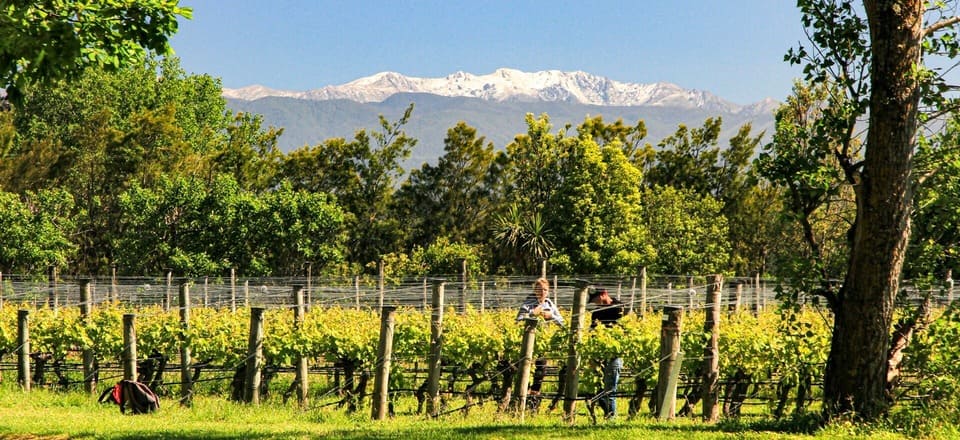
An hour’s drive north from Wellington over the Rimutaka Hills lies the Wairarapa region, home to the charming village of Martinborough. This boutique wine region produces some of New Zealand’s finest Pinot Noir, with many comparing its climate and terroir to Burgundy—the gold standard for this variety. What Martinborough lacks in size, it more than compensates for in quality and visitor experience.
The village itself is tiny—population around 1,500—but over 20 wineries cluster within walking or cycling distance of the central square. This creates a unique situation where you can taste world-class wines at multiple estates without driving, making it one of New Zealand’s most relaxed and enjoyable wine regions to visit. The layout is remarkably convenient, with many cellar doors just a pleasant stroll apart along country lanes.
Martinborough’s terroir features free-draining river terrace soils and a microclimate that’s notably drier and sunnier than nearby Wellington. The region gets low rainfall and abundant sunshine, ideal for Pinot Noir which needs stress to develop complexity but also needs careful water management to avoid over-concentration. Winemakers here have mastered this balancing act over decades of experience.
Where to taste and dine in Martinborough
Ata Rangi produces benchmark Pinot Noir ranking among New Zealand’s finest. Their expanded cellar door offers both standard tastings and in-depth educational sessions. Their Célèbre rosé is particularly delightful.
Poppies Martinborough, run by winemaker Poppy Hammond and her husband, offers wonderfully personal experiences. Vineyard platters featuring local cheeses, cured meats, olives, and vegetables pair beautifully with their wines. The casual atmosphere embodies what’s best about Martinborough—serious wines without pretension.
Nga Waka focuses on food-friendly wines designed for the table. Their sustainable tasting facility provides excellent vineyard views.
Te Kairanga offers one of the region’s few winery restaurants, serving lunch daily in a renovated farm building with seasonal local ingredients.
The village has several excellent restaurants. The Martinborough Hotel’s Union Station serves refined dining and casual pub fare. Circus combines a wine bar, restaurant, and cinema. Piper’s Café excels at brunch and lunch.
Martinborough’s annual Toast Martinborough festival each November attracts wine lovers nationwide. Limited tickets sell out months in advance for this celebration across multiple vineyard locations.
How long to visit: Two nights gives you one full day for winery visits and meals, allowing a relaxed pace without rushing. Many visitors combine Martinborough with Wellington (45 minutes away) or the dramatic Wairarapa coast, which features fur seal colonies and remote black-sand beaches.
Beyond Wine: New Zealand’s Broader Culinary Experiences
While wine rightfully claims attention, New Zealand’s broader food culture deserves exploration. The country’s isolation fostered innovation, while its multicultural makeup—especially Māori culture and Asian immigration—created unique fusion cuisines.
Māori culinary traditions provide authentic cultural experiences. Traditional hāngī cooking involves earth ovens where food steams underground for hours, creating distinctive smoky, earthy flavors. Rotorua offers accessible hāngī experiences combined with cultural performances, while Wellington and other cities serve contemporary Māori cuisine.
Seafood stars throughout New Zealand. Bluff oysters from the far south are legendary—sweet, creamy, and only available March to August. Green-lipped mussels are farmed in the Marlborough Sounds. Crayfish (rock lobster) is particularly prized, with roadside stalls like Nin’s Bin near Kaikōura serving them fresh-caught.
Farmers’ markets operate throughout the country, with producers selling artisan cheeses, organic vegetables, honey, and prepared foods. Wellington’s Harbourside Market runs every Sunday, while Auckland, Christchurch, and wine regions have thriving weekly markets.
Craft beer has exploded in popularity. Wellington became known for its beer scene, with The Garage Project, Parrotdog, and Tuatara producing everything from IPAs to barrel-aged stouts. Many breweries offer food pairings and tours.
Specialty foods include Mānuka honey with recognized antibacterial properties, hokey pokey ice cream (vanilla with honeycomb toffee), and the beloved meat pie—a cultural icon available everywhere.
Planning Your New Zealand Wine and Food Journey
Best time to visit: Harvest runs February through April, making autumn (March-May) ideal—warm weather, fewer crowds, and harvest excitement. Summer (December-February) offers warmest weather and longest days, though brings domestic tourists and higher prices. Winter (June-August) is quiet in wine regions, but Central Otago combines wine touring with nearby skiing.
Transportation: Renting a car provides flexibility, but requires designated driver arrangements. Many regions offer bike rentals—Martinborough, Gibbston Valley, and Marlborough work well for cycling. Professional wine tour operators provide transportation, expertise, and access to appointment-only wineries.
Booking advice: Top winery restaurants require advance reservations, sometimes weeks ahead during peak season. Some boutique wineries operate by appointment only. Progressive winery dinners and specialized food tours book out quickly.
Budget: Wine tastings range from free to $5-15 for premium selections. Winery restaurants span casual to fine dining. Accommodation varies from budget motels to luxury lodges.
The magic of New Zealand wine and food tourism lies in the combination—world-class products, stunning settings, and genuine hospitality. Whether sipping Marlborough Sauvignon Blanc overlooking the Sounds, savoring Central Otago Pinot Noir with mountain views, or enjoying Hawke’s Bay dinners, you’re experiencing the best this remarkable country offers.