
New Zealand is often described as one of the last truly wild places on Earth. Its isolation for millions of years allowed unique ecosystems to develop, resulting in wildlife and landscapes you won’t find anywhere else.
In 2026, New Zealand continues to be a leading destination for eco-tourism. Conservation efforts are strong, visitor access is well managed, and many wildlife experiences are designed to be ethical and sustainable. This means travelers can explore nature responsibly while still enjoying close and meaningful encounters.
Why New Zealand Is Unique for Wildlife
Unlike many countries where large mammals dominate the landscape, New Zealand’s wildlife is centered around birds, marine life, and coastal ecosystems. Before humans arrived, there were no land mammals apart from bats. As a result, birds evolved without natural predators, leading to species that are often fearless and, in some cases, flightless.
Today, conservation is a major priority. Many areas are protected, and visitor numbers are carefully managed to reduce environmental impact. This means that while wildlife encounters can feel intimate, they are usually controlled to ensure long-term sustainability.
Another defining feature is accessibility. You don’t need to go deep into remote wilderness to see incredible wildlife—many of the best experiences are just a short drive or walk from towns and cities.
Iconic Wildlife Encounters
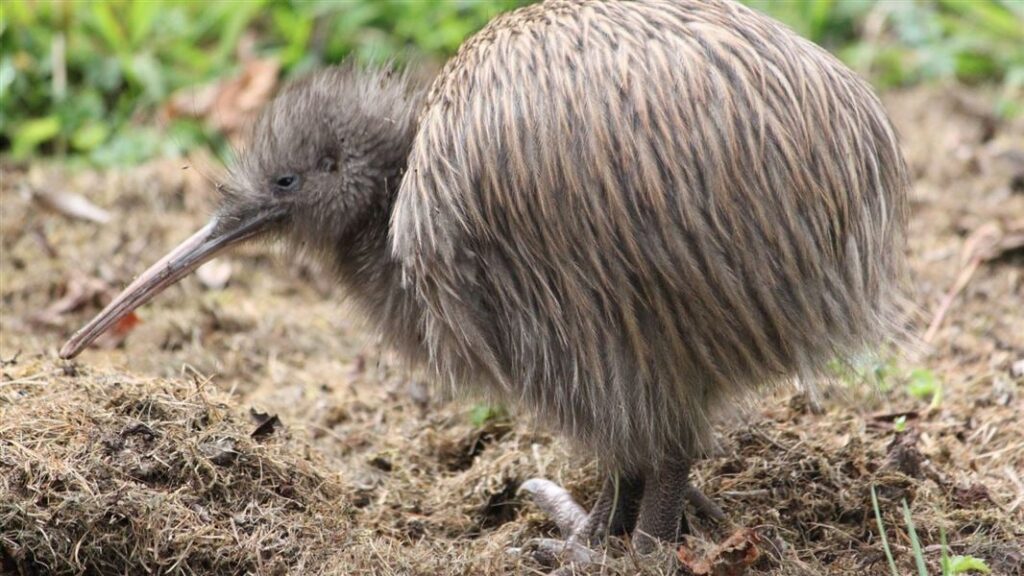
One of the most famous animals in New Zealand is the kiwi, a small, nocturnal bird that has become a national symbol. Seeing one in the wild is rare, but several sanctuaries and guided night tours offer a good chance to observe them in a natural environment. These experiences are typically quiet and carefully managed, allowing visitors to witness the bird’s behavior without disturbing it.
Along the coast, marine life plays a major role in the wildlife experience. In places like Kaikōura, it’s possible to see whales, dolphins, and seals within a relatively small area. Whale watching tours here are known for their reliability, thanks to deep offshore waters that attract sperm whales year-round. Dolphin encounters are also popular, with some tours allowing visitors to swim alongside them under strict guidelines.
Further south, penguin encounters offer another unforgettable experience. The South Island is home to several species, including the rare yellow-eyed penguin. These birds are best observed from designated viewing areas or guided tours, especially at dusk when they return from the sea.
Nature Landscapes That Define the Experience
Wildlife in New Zealand is closely tied to its landscapes, and often the environment itself is just as impressive as the animals.
Fiordland National Park, in the southwest of the South Island, is one of the most dramatic natural areas in the country. Towering cliffs, deep fjords, and cascading waterfalls create an almost cinematic setting. While exploring this region, it’s common to see seals resting on rocks and dolphins swimming through the fjords.
In contrast, Tongariro National Park in the North Island offers a completely different environment. This volcanic region features active craters, lava flows, and brightly colored mineral lakes. Hiking here provides a chance to experience raw geological forces up close, making it one of the most unique nature encounters in the country.
Abel Tasman National Park, known for its golden beaches and clear waters, offers a more relaxed connection with nature. Kayaking along the coast allows visitors to explore hidden coves and spot seals in their natural habitat. The park’s walking tracks are also accessible and well maintained, making it a great option for travelers of all fitness levels.
Lesser-Known Wildlife Experiences
While the well-known destinations attract attention, some of the most memorable encounters happen in less crowded locations.
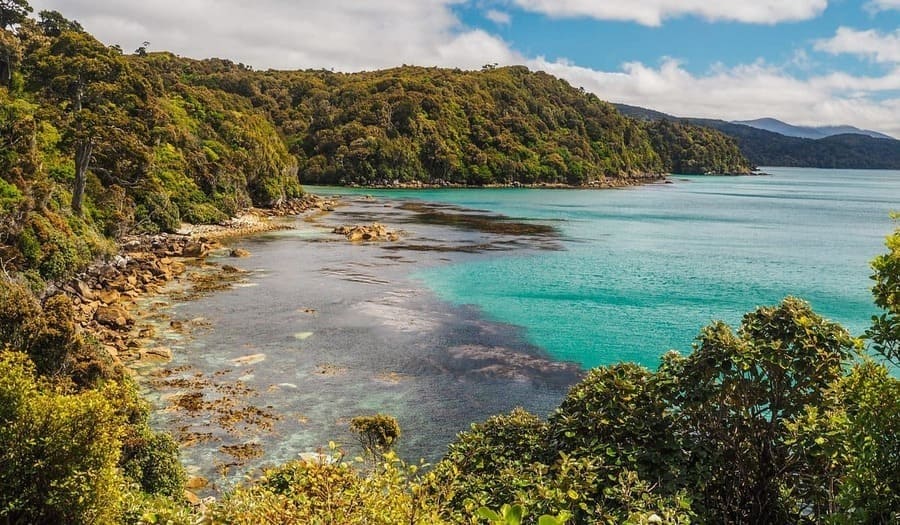
Stewart Island, located south of the South Island, is one of the best places to see kiwi birds in the wild. The island’s low population and large protected areas create ideal conditions for wildlife. Night tours here offer a realistic chance of spotting these elusive birds without artificial environments.
The Catlins region is another hidden gem. With rugged coastlines, dense forests, and minimal development, it feels untouched compared to more popular areas. Visitors can see sea lions resting on beaches, dolphins swimming close to shore, and waterfalls hidden within native bush.
Zealandia, an eco-sanctuary in Wellington, provides a unique example of conservation in action. This fenced reserve has successfully restored native ecosystems and reintroduced several bird species. Walking through Zealandia feels like stepping back in time, offering insight into what New Zealand looked like before human settlement.
Ethical Wildlife Travel
As wildlife tourism grows, responsible travel becomes increasingly important. New Zealand has strong regulations, but travelers also play a role in protecting the environment.
Here are a few key principles to follow:
- Keep a safe distance from animals, especially in the wild
- Avoid feeding wildlife or trying to attract their attention
- Choose licensed tour operators that follow conservation guidelines
- Stay on marked tracks to protect fragile ecosystems
- Respect quiet zones, particularly in bird habitats
These practices ensure that wildlife encounters remain sustainable and that future visitors can enjoy the same experiences.
Best Times for Wildlife Encounters
Timing can significantly influence what you see during your trip. While wildlife is present year-round, certain seasons offer better opportunities for specific encounters.
During the summer months, marine life is particularly active, making it an excellent time for dolphin and seal encounters. Warmer weather also makes hiking and coastal exploration more enjoyable. Autumn brings fewer crowds and calmer conditions, which can enhance wildlife viewing experiences.
Winter is ideal for whale watching, as some species are more active or easier to spot during this time. Snow-covered landscapes also add a dramatic backdrop to nature experiences. Spring is a season of renewal, with bird activity increasing and many species nesting or raising their young.
Combining Wildlife with Road Trips
One of the best ways to experience New Zealand’s wildlife is by combining it with a road trip. The country’s compact size allows travelers to move easily between different ecosystems, from coastal regions to alpine environments.
A well-planned itinerary might include starting in the North Island with geothermal landscapes and bird sanctuaries, then traveling south to explore mountains, fjords, and marine life. The flexibility of driving allows you to adjust your plans based on weather conditions or wildlife sightings, making the journey more dynamic and rewarding.
What Makes New Zealand Stand Out
What truly sets New Zealand apart is the balance between accessibility and preservation. You can experience rare wildlife and untouched landscapes without venturing far from established infrastructure. At the same time, strict conservation efforts ensure that these environments remain protected.
Another key factor is the diversity packed into a relatively small area. Within a single trip, you can encounter penguins, whales, alpine parrots, and ancient forests, all within a few days’ drive. This level of variety is difficult to find elsewhere in the world.
Final Thoughts
New Zealand offers some of the most authentic wildlife and nature encounters available today. Its unique ecosystems, combined with strong conservation practices, create experiences that are both memorable and meaningful. In 2026, the country continues to lead in sustainable tourism, making it an ideal destination for travelers who want to connect with nature in a responsible way.
Whether you’re watching dolphins along the coast, hiking through volcanic landscapes, or quietly observing a kiwi at night, each encounter feels personal and real. The key is to travel with respect—for the environment, for the animals, and for the communities that protect them.
In the end, New Zealand is not just a place to see wildlife. It’s a place to understand it, appreciate it, and leave with a deeper connection to the natural world.