
New Zealand is a country that captures the imagination like few others. While most travelers come for the dramatic mountains, pristine lakes, and otherworldly landscapes, the cities scattered across both islands offer their own unique charm. From cosmopolitan hubs to geothermal wonderlands, each city tells a different story about this remarkable island nation.
Whether you’re planning your first trip to Aotearoa (the Māori name for New Zealand) or returning for another adventure, understanding what each city offers will help you make the most of your journey.
Auckland: The City of Sails
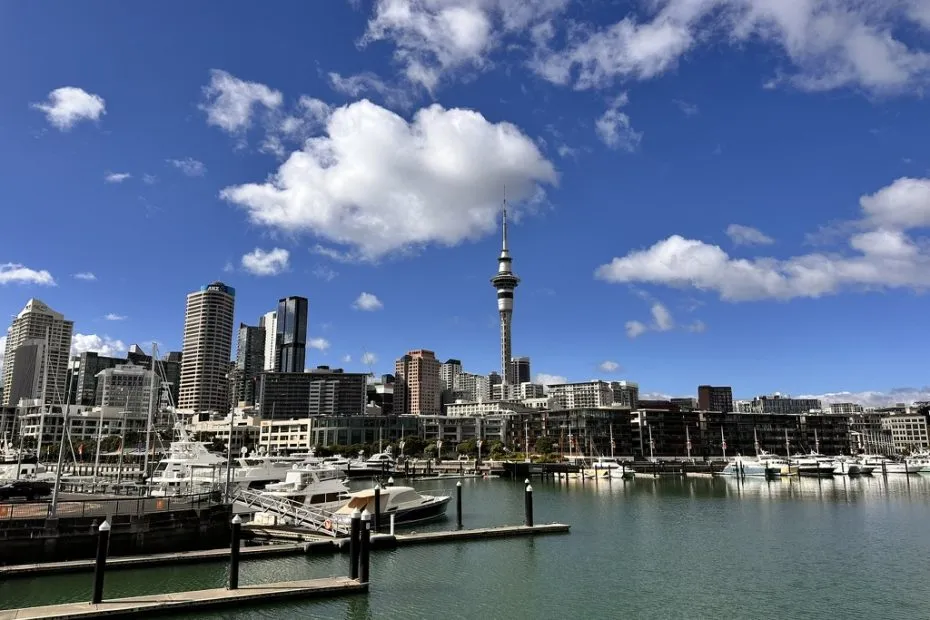
Auckland is New Zealand’s largest city, home to hundreds of thousands of people, and serves as the primary international gateway for most visitors. Spread across a narrow isthmus between two harbors, this multicultural metropolis offers an unexpected blend of urban sophistication and natural beauty.
What Makes Auckland Special
The city earns its nickname “City of Sails” honestly. Auckland is set between two magnificent harbors, creating a maritime culture that’s woven into daily life. On any given weekend, you’ll see hundreds of sailboats dotting the Waitematā and Manukau harbors.
What surprises many visitors is how accessible nature remains within the city limits. Mount Eden, an ancient volcanic hill, offers arguably the finest view in the city. The summit provides 360-degree panoramas of the sprawling metropolis, surrounding harbors, and distant islands.
Top Experiences in Auckland
- Waiheke Island: A 40-minute ferry ride takes you to this island paradise known for vineyards, olive groves, stunning beaches, and coastal walking trails
- Auckland Harbour and Wynyard Quarter: The revitalized waterfront district features excellent restaurants, though prices can be steep
- Auckland Museum: Houses an exceptional collection of Māori artifacts, including traditional buildings, intricate carvings, and a massive war canoe
- Waitakere Ranges: Hike through ancient rainforests leading to dramatic black-sand beaches on the rugged west coast
Practical Tips
Auckland’s excellent location makes it close to many top attractions on the North Island. The city works perfectly as a base for day trips or as a starting point before exploring further afield. Plan to spend two to three days here to experience both the urban attractions and nearby natural wonders.
Wellington: The Cool Little Capital
Wellington, the capital city of New Zealand, is the coolest city in the country, famous for its vibrant arts, music, and food scenes. Despite being a national capital, Wellington maintains an intimate, walkable character that larger cities often lose.
Cultural Powerhouse
Home to just over 400,000 people, Wellington punches well above its weight culturally. The city is home to Weta Workshop, world-class restaurants, and the national museum Te Papa Tongarewa. Weta Workshop, responsible for visual effects in films like The Lord of the Rings trilogy, offers fascinating tours showcasing movie magic.
Te Papa Tongarewa tells the story of modern New Zealand through constantly changing exhibitions that cover everything from natural history to contemporary art. Best of all, admission to the national museum is free.
What to Do in Wellington
- Cuba Street: A pedestrian strip that perfectly captures Wellington’s eclectic spirit, filled with vintage shops, record stores, quirky cafes, and bookshops
- Wellington Cable Car: Ride from Lambton Quay up to the Botanic Garden for sweeping harbor and city views
- Mount Victoria Lookout: Hike or drive up for spectacular 360-degree panoramas (and yes, this is where scenes from The Lord of the Rings were filmed)
- Writer’s Walk: Follow the waterfront path featuring quotes from famous New Zealand authors
Local Flavor
Getting cheese scones when in Wellington feels like the thing to do there, paired with a flat white. The city’s café culture is legendary, with Wellingtonians taking their coffee very seriously. For late-night caffeine fixes, Midnight Espresso has been a Wellington institution for decades.
Rotorua: Geothermal Wonderland
Rotorua offers something completely different from any other city on this list. Thanks to its position on the Ring of Fire, the North Island city of Rotorua delivers a mystical, geothermal atmosphere, enticing visitors with natural hot springs, mud baths, and geysers.
A Unique Welcome
Your first introduction to Rotorua will likely be through your nose. The distinctive sulfur smell that permeates the city comes from the geothermal activity bubbling just beneath the surface. Steam rises from storm drains, and mud pools bubble in public parks—it’s unlike anywhere else in the world.
Geothermal Attractions
Rotorua boasts some of New Zealand’s most spectacular thermal areas:
- Te Puia: Features dramatic geysers, bubbling mud, and beautiful native bush, home to the New Zealand Māori Arts and Crafts Institute and a state-of-the-art Kiwi Conservation Centre
- Wai-O-Tapu Thermal Wonderland: A spectacular showcase of New Zealand’s most colourful and unique geothermal elements sculpted by thousands of years of geothermal activity
- Waimangu Volcanic Valley: Created during the 1886 Mount Tarawera eruption, featuring rare plants and thriving birdlife alongside geothermal wonders
- Kuirau Park: A free thermal reserve right in the city center where you can see bubbling mud and steaming vents
Māori Culture
Rotorua is an excellent place to engage with Māori culture. Approximately 40% of the city’s population is of Māori descent, making it one of New Zealand’s primary centers for indigenous culture. Traditional Māori performances, called kapa haka, are powerful experiences combining song, dance, and the famous haka war dance.
How Long to Stay
Two to three days allows enough time to visit a couple of geothermal parks, experience Māori culture, and perhaps enjoy a mountain biking excursion through the renowned Redwoods Forest with its towering California redwoods.
Queenstown: Adventure Capital
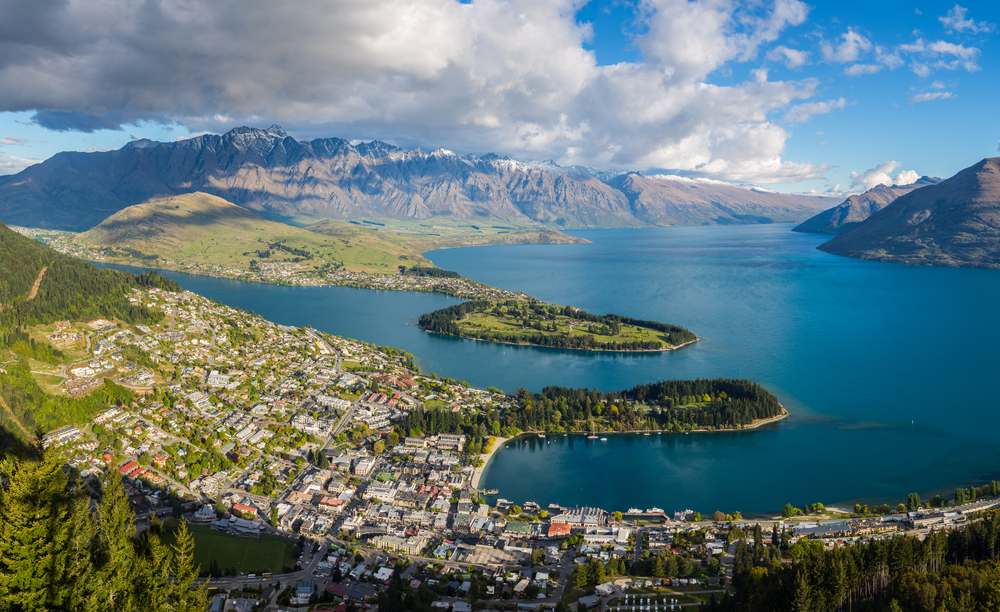
With a population under 15,000, Queenstown is more of a small town than a city, but its global reputation as an adventure destination earns it a place on this list. Set against the stunning backdrop of Lake Wakatipu and the Remarkables mountain range, Queenstown’s scenery alone justifies the visit.
Adrenaline Central
Queenstown pioneered commercial bungy jumping and remains the world capital of adventure sports. Here you can:
- Bungy jump from the historic Kawarau Bridge or the towering Nevis
- Skydive with mountain and lake backdrops
- Jet boat through narrow canyons
- Paraglide over the lake
- Mountain bike world-class trails
Beyond the Adrenaline
The best parts of Queenstown are outside the town itself, including hiking around Glenorchy, like the Routeburn Track and the Earnslaw Burn. The town also serves as an ideal base for visiting Milford Sound, often called the eighth wonder of the world, and Fiordland National Park.
Expectations
Queenstown feels way more commercial than other cities in New Zealand. The town center caters heavily to tourists, with prices to match. Despite this, the surrounding natural beauty and access to incredible day trips make it worthwhile for most visitors.
Christchurch: The Garden City Reborn
Christchurch has often been described as the most English of all New Zealand cities, and while a certain buttoned-up Britishness remains—for instance, punting on the Avon—the 2011 earthquake sparked a recalibration.
The devastating 2011 earthquake that struck Christchurch was a tragedy, but it also became a catalyst for creative urban renewal. The city has rebuilt with innovation and resilience, creating something entirely new while honoring its heritage.
What to See
- Punting on the Avon River: Glide past weeping willows and historic buildings in a traditional flat-bottomed boat
- Botanic Gardens: Gorgeous green spaces showcasing both native and exotic plants
- Cardboard Cathedral: A striking temporary cathedral built after the earthquake using cardboard tubes
- Re:START Mall: Creative use of shipping containers created a vibrant shopping precinct during the rebuild
Gateway to the South Island
Christchurch’s strategic location makes it an excellent base for exploring the South Island. The city is just a few hours’ drive from Kaikoura for whale watching, the volcanic landscapes of Banks Peninsula, and the ski fields of the Southern Alps.
Nelson: Sunshine and Creativity
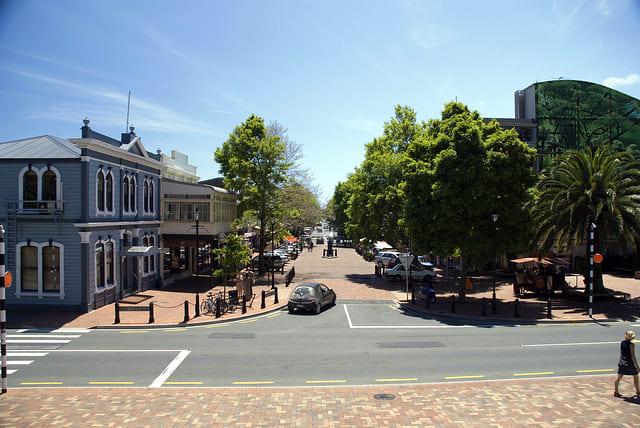
Nelson’s stunning coastal setting between two mountain ranges makes it a fantastic city to visit. This sunny city receives more sunshine hours than anywhere else in New Zealand. With a hip art scene, craft breweries, and excellent restaurants, it’s lovely for exploring. Nelson serves as the gateway to Abel Tasman National Park, famous for golden beaches and the popular Abel Tasman Coast Track. The Marlborough wine region, known for Sauvignon Blanc, is within easy reach.
New Plymouth: The Underrated Gem
If you want to visit a seriously underrated city, then New Plymouth should be at the top of your list. Located on the western coast of the North Island, this city offers a perfect blend of urban amenities and natural wonders.
Dominated by a Volcano
New Plymouth is the home of Mount Taranaki, a huge stratovolcano that towers over everything else. This perfectly symmetrical peak, which stood in for Mount Fuji in the Tom Cruise film The Last Samurai, creates a dramatic backdrop visible throughout the city.
What to Experience
- Pouakai Tarns: One of New Zealand’s most photographed hikes, offering mirror reflections of Mount Taranaki in still mountain pools
- Coastal Walkway: A stunning path stretching along the waterfront with ocean views and artistic installations
- Coffee Culture: There is a seriously good coffee scene in the city centre, with many local coffee shops serving exquisite brews
- Pukekura Park: A stunning botanical garden featuring lakes, waterfalls, and diverse plant collections
Back Beach is the perfect place to catch a sunset, while Lake Mangamahoe offers serene views with Mount Taranaki in full display. This lesser-known city rewards those who venture off the beaten path.
Dunedin: Scottish Heritage Meets Student Energy
Known as the ‘Edinburgh of the South’, Dunedin’s Scottish heritage is immediately apparent. With the oldest university in New Zealand, this youthful city offers great bars, pumping nightlife, and unique attractions like the Otago Peninsula for wildlife viewing, Baldwin Street (the world’s steepest residential street), and stunning Victorian architecture.
Planning Your New Zealand City Tour
The North Island is better for culture and cities, while the South Island excels in landscapes and adventure. Domestic flights between major cities are frequent and affordable, making it easy to visit multiple destinations. Most travelers find two to three days per city provides enough time for highlights.
Best cities for different travelers:
- First-time visitors: Auckland and Queenstown
- Culture enthusiasts: Wellington and Rotorua
- Adventure seekers: Queenstown
- Families: Rotorua and Auckland
- Budget-conscious: Christchurch and Rotorua
What Makes New Zealand Cities Special
New Zealand’s cities won’t compete with London or Tokyo for urban sophistication, and that’s the point. What makes them special is their relationship with the surrounding landscape. Auckland’s volcanic cones, Wellington’s harbor views, Rotorua’s geothermal wonders, and Queenstown’s alpine setting create urban experiences unlike anywhere else.
Final Thoughts
Choosing the right cities to visit in New Zealand depends on what you value most. If you crave adventure and don’t mind tourist crowds, Queenstown delivers. For culture, coffee, and quirky charm, Wellington won’t disappoint. Those seeking something truly unique should head to Rotorua’s steaming landscapes. And if you want a comprehensive New Zealand experience, Auckland’s diversity and connections make it an ideal starting point.
The beauty of New Zealand is that distances between cities remain manageable. With good planning, you can experience multiple urban personalities while still allowing plenty of time for the spectacular landscapes that made New Zealand famous in the first place.
Remember that New Zealanders (or Kiwis, as they call themselves) are famously friendly and welcoming. Don’t hesitate to ask locals for recommendations—they’re usually happy to share their favorite spots, many of which won’t appear in any guidebook. This generous spirit, combined with the stunning natural setting and unique attractions each city offers, creates travel experiences that stay with you long after you’ve returned home.