
Travel has changed. For many people, choosing where to stay is no longer just about location or price—it’s about the experience itself. Instead of standard hotels, travelers are increasingly looking for places that feel personal, connected to nature, or rooted in local culture. This shift has made alternative accommodations one of the fastest-growing segments in tourism.
Across popular travel platforms and guides, a clear pattern emerges: people want stays that tell a story. Farmstays, eco-lodges, boutique retreats, and small guesthouses are no longer niche options—they’re often the main reason travelers choose a destination in the first place. In 2026, this trend continues to grow, driven by a desire for authenticity, sustainability, and slower, more meaningful travel.
If you want to find the best place to stay overnight and learn which season is ideal for visiting New Zealand, this guide will help you plan the perfect trip.
Why Alternative Stays Are Becoming the First Choice
Traditional hotels still have their place, especially in cities or for short visits. But many travelers now prefer accommodations that feel less standardized. Large hotel chains can offer consistency, yet they rarely reflect the character of a region. Alternative stays, on the other hand, are often deeply tied to their surroundings.
One of the key reasons for their popularity is the sense of connection they provide. Staying on a working farm, for example, allows visitors to experience rural life firsthand—feeding animals, learning about local produce, or simply enjoying the quiet of the countryside. Boutique lodges often focus on design, atmosphere, and personalized service, creating a more intimate and memorable environment.
Another important factor is space. Many alternative accommodations are located outside busy urban centers, offering privacy and access to nature. After years of fast-paced travel and crowded destinations, more people are intentionally choosing places where they can slow down.
Farmstays: Life Close to the Land
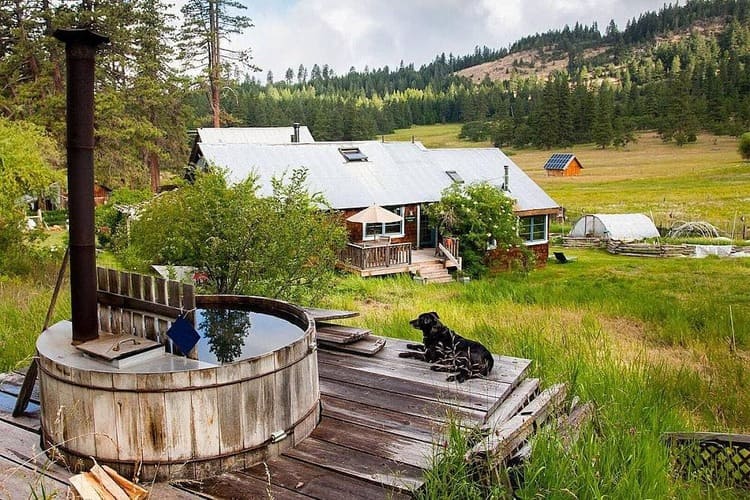
Farmstays are one of the most authentic ways to experience a destination. Unlike hotels, these properties are often family-run and built around real agricultural activity. Guests might stay in a converted farmhouse, a cottage on the land, or even a modern cabin surrounded by fields.
What makes farmstays appealing is their simplicity. Mornings can start with fresh eggs collected on-site, followed by a walk through orchards or pastures. In some places, hosts invite guests to participate in daily tasks, while others offer a more relaxed approach, allowing visitors to observe rather than engage.
This type of accommodation is especially popular in countries with strong rural traditions, such as New Zealand, Italy, and parts of Australia. It’s not just about the setting—it’s about understanding how food is produced, how land is managed, and how local communities live outside tourist centers.
Farmstays are also well suited for families and longer stays. The slower pace, open space, and informal atmosphere make them comfortable for travelers who want to disconnect from busy schedules.
Boutique Lodges: Small Scale, High Character
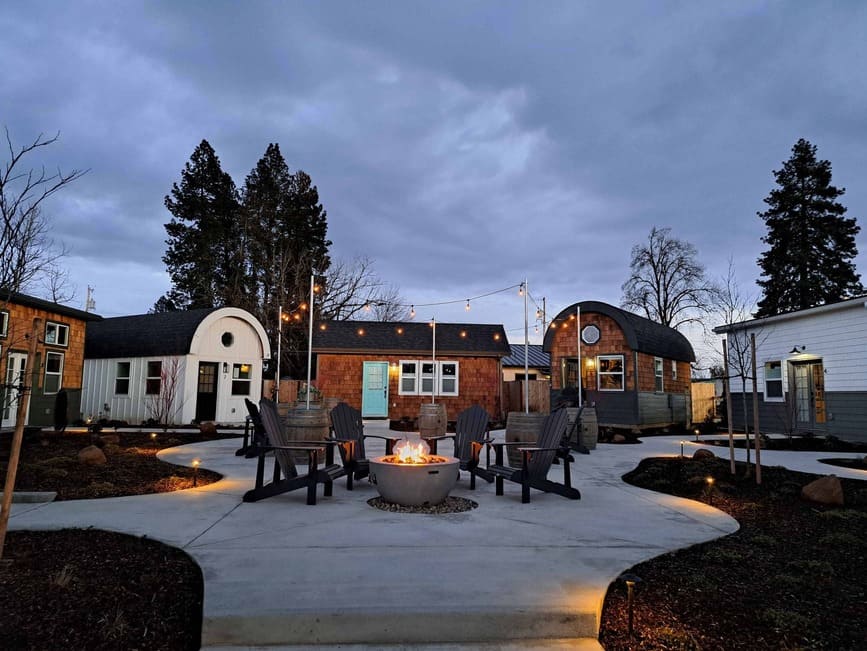
At the other end of the spectrum are boutique lodges. These properties focus on design, comfort, and a carefully curated experience. Unlike large hotels, boutique lodges usually have a limited number of rooms, which allows for more attention to detail and personalized service.
What sets them apart is their individuality. No two boutique lodges are the same. Some are located in remote природні landscapes, blending architecture with the environment. Others are set in historic buildings, combining modern amenities with heritage elements.
Guests often choose boutique lodges for special occasions or when they want a more refined experience without the formality of luxury hotels. Interiors tend to reflect local materials and craftsmanship, while food offerings often highlight regional ingredients.
Another defining feature is the atmosphere. These spaces are designed to feel calm and immersive, whether that means panoramic views, quiet gardens, or thoughtfully designed communal areas. The goal is not just to provide a place to sleep, but to create an environment where guests genuinely enjoy spending time.
Eco-Lodges and Sustainable Stays
Sustainability has become a central theme in modern travel, and eco-lodges are a direct response to this shift. These accommodations are designed to minimize environmental impact while still offering comfort and quality.
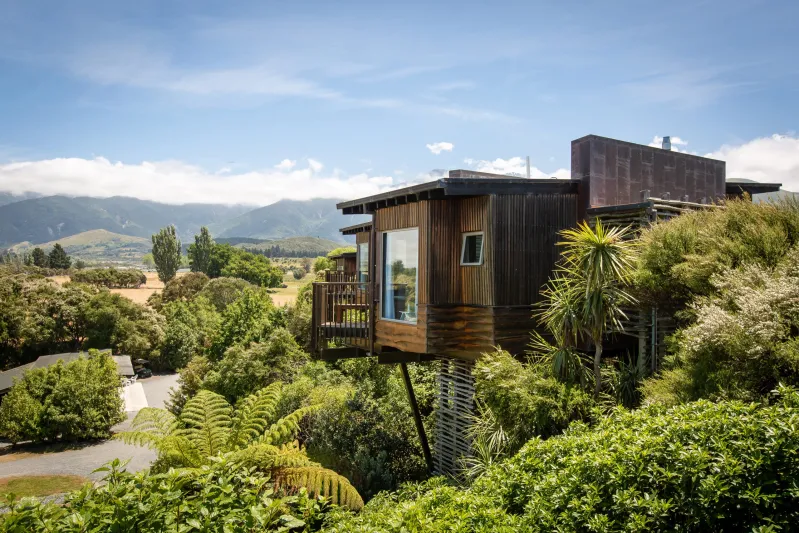
In many cases, eco-lodges use renewable energy, manage water carefully, and reduce waste through thoughtful design. Some are completely off-grid, relying on solar power and natural resources. Others focus on conservation efforts, protecting nearby wildlife or restoring native habitats.
For travelers, the appeal lies in knowing that their stay supports responsible practices. However, eco-friendly does not mean basic. Many eco-lodges are well-designed and comfortable, combining sustainability with modern amenities.
The growth of this category is not accidental. Research across travel platforms shows that more travelers are actively searching for environmentally responsible options. In response, many properties now highlight their sustainability credentials as a key part of their identity.
Unique Stays That Redefine Accommodation
Beyond farmstays and lodges, there is a growing category of accommodations that focus purely on uniqueness. These include treehouses, tiny homes, converted barns, and remote cabins.
The appeal of these stays is often emotional rather than practical. Sleeping in a treehouse surrounded by forest, for example, creates a sense of novelty and escape that standard accommodation cannot offer. Similarly, staying in a minimalist cabin in a remote location can feel like a reset from daily life.
These properties are particularly popular among younger travelers and couples looking for memorable experiences. Social media has also played a role, with visually distinctive accommodations gaining attention and inspiring travel decisions.
However, the best of these stays are not just visually interesting—they are thoughtfully designed. Comfort, functionality, and location still matter, even in the most unusual settings.
What to Consider Before Booking
Choosing an alternative accommodation requires a slightly different approach than booking a hotel. Since these properties are more varied, it’s important to understand what kind of experience you want.
Location plays a major role. Many alternative stays are intentionally remote, which can be a benefit or a challenge depending on your plans. Access to transport, nearby attractions, and essential services should be considered in advance.
Another factor is the level of interaction. Some travelers enjoy engaging with hosts and learning about local life, while others prefer privacy. Reading reviews and property descriptions carefully can help set expectations.
Amenities can also vary. While boutique lodges often offer high-end facilities, farmstays or cabins may focus on simplicity. This is not a drawback—it’s part of the experience—but it’s important to know what is included.
The Shift Toward Experience-Based Travel
Looking at current travel trends, it’s clear that accommodation is no longer just a practical choice. It has become part of the overall experience. This shift is reflected in how people plan trips, often starting with a unique place to stay and building the itinerary around it.
Competitor analysis across travel blogs and booking platforms shows a strong emphasis on storytelling. Articles that perform well tend to highlight personal experiences—waking up in nature, sharing meals with hosts, or discovering hidden locations. This suggests that travelers are not just comparing prices or amenities; they are imagining how a place will feel.
Another noticeable trend is longer stays. As remote work becomes more common, people are spending more time in one place, making comfort and atmosphere even more important. Alternative accommodations are well suited to this style of travel, offering both functionality and character.
Where This Trend Is Heading
The demand for alternative accommodations is expected to continue growing. As travelers become more experienced, their expectations evolve. They look for places that offer something different—whether that’s a deeper connection to nature, a sense of privacy, or a unique design.
At the same time, quality standards are rising. Guests expect both authenticity and comfort, which pushes property owners to improve their offerings. This leads to better-designed spaces, more thoughtful services, and a stronger focus on sustainability.
Technology also plays a role. Booking platforms now make it easier to discover niche properties, read detailed reviews, and compare options. This transparency benefits both travelers and hosts, encouraging higher standards across the industry.
Final Thoughts
Alternative accommodations have moved from being a niche option to a central part of modern travel. Whether it’s a quiet farmstay, a carefully designed boutique lodge, or a unique cabin in nature, these places offer something that traditional hotels often cannot—personality.
The key to choosing the right stay is understanding what kind of experience you want. Some travelers value comfort and design, others seek simplicity and connection to nature. The good news is that today’s travel landscape offers both, often in the same destination.
In 2026, the idea of “where you stay” is no longer secondary. It shapes how you experience a place, how you remember it, and often whether you want to return. And in many cases, the accommodation itself becomes the highlight of the journey. If you’re looking to go beyond popular destinations, explore our guide to Top 10 Hidden Gems in New Zealand and discover unique places perfect for an unforgettable stay.