
New Zealand didn’t earn its reputation as the adventure capital of the world by accident. This island nation has systematically transformed its dramatic geography—towering mountains, pristine fjords, raging rivers, and volcanic landscapes—into a playground for adrenaline seekers from around the globe. But here’s what makes New Zealand truly special: you don’t need to be an extreme athlete to experience these thrills. The country has mastered the art of making adventure accessible to everyone, with world-class safety standards, expert guides, and activities designed for first-timers and veterans alike.
From the birthplace of commercial bungee jumping to helicopter-accessed glacier hikes, from thundering white-water rapids to peaceful sea kayaking through marine reserves, New Zealand packs an extraordinary variety of adventures into a relatively compact space. Whether you’re seeking heart-pounding excitement or gentler outdoor experiences, this guide will help you navigate the best adventure activities across both islands and plan an unforgettable journey.
Bungee Jumping: Leaping Into the Void Where It All Began
New Zealand invented commercial bungee jumping, making it the perfect place to take your first leap—or add another jump to your collection. In 1988, AJ Hackett opened the world’s first commercial bungee operation at the Kawarau Bridge near Queenstown, and since then, the company has safely completed over one million jumps. That track record speaks volumes about New Zealand’s commitment to adventure tourism safety.
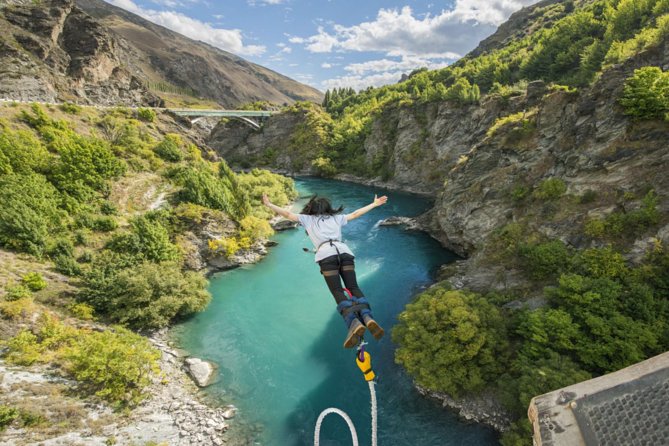
The Kawarau Bridge Jump remains the most iconic bungee experience in New Zealand. At 43 meters (141 feet) above the glacier-fed Kawarau River, it’s high enough to get your heart racing but not so extreme that first-timers feel overwhelmed. The location itself is spectacular—surrounded by mountains and vineyards in the Gibbston Valley, just 25 minutes from Queenstown. You can choose your style: jump solo, go tandem with a friend, somersault off the platform, or leap backward. For those who want maximum thrills, request a water touch or full immersion in the river below. The crew has perfected the art of calming nerves while maintaining safety standards, and they know exactly how to talk first-timers through those terrifying seconds before the jump.
The Nevis Bungy represents the ultimate escalation. At 134 meters (440 feet), it’s one of the highest bungee jumps in the world and not for the faint-hearted. The experience begins with a rugged 4WD ride through mountain roads to reach the suspended cable car that delivers you to the jumping platform. The platform itself hangs in the middle of the Nevis Valley with nothing but air and incredible views surrounding you. The free fall lasts 8.5 seconds—an eternity when you’re plummeting toward the valley floor. Jumpers describe the Nevis as a life-changing experience, the kind of thing you’ll replay in your mind for years afterward.
Taupo Bungy on the North Island offers New Zealand’s only cliff-top bungee jump. Perched 47 meters above the crystal-clear Waikato River, this cantilever platform positions you high out over the water. The setting is gorgeous—you’re literally hanging off a cliff face with pristine river views below. Many visitors choose to combine their Taupo bungee with other activities like skydiving, creating an “Air 3 Combo” that delivers maximum adrenaline in one day.
What sets New Zealand bungee jumping apart from operations in other countries is the meticulous attention to safety combined with genuine Kiwi hospitality. Guides check and double-check every harness, explain every step of the process, and somehow manage to be both professional and encouraging. They’ve seen thousands of nervous first-timers, and they know exactly when to crack a joke and when to give you space to gather your courage. After your jump, you’ll receive a commemorative T-shirt and can purchase professional photos and videos that capture your leap—worth every penny when you want to prove to skeptical friends that yes, you really did jump off that bridge.
Skydiving: Freefall Over Middle Earth
If bungee jumping offers controlled terror, skydiving delivers prolonged freefall with views that make you forget to scream. New Zealand’s skydiving operations benefit from the same safety culture and stunning scenery that defines all Kiwi adventure tourism.
Lake Taupo Skydiving ranks among the world’s most scenic jump locations. After ascending to 12,000 or 15,000 feet, you’ll freefall for up to 60 seconds with panoramic views of New Zealand’s largest lake, smoking volcanoes in Tongariro National Park, and on clear days, both coasts. Many skydivers say the Taupo jump offers better views than more famous locations.
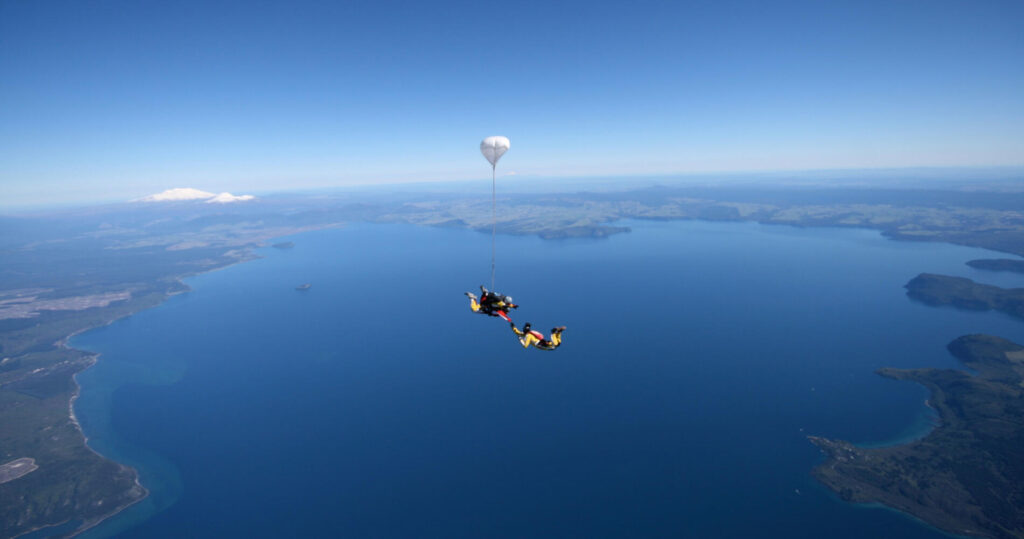
Queenstown Skydiving provides different perspectives—you’ll freefall over The Remarkables mountain range, Lake Wakatipu, and the adventure capital itself. Jump operators offer options from 9,000 to 15,000 feet, with higher altitudes providing longer freefall times.
Franz Josef and Fox Glacier Skydiving delivers the most unique scenery—you’ll freefall alongside massive glaciers, over rainforest, and above the Tasman Sea. The West Coast’s wild, rugged beauty provides a dramatically different backdrop.
Tandem skydiving makes this extreme sport accessible to complete beginners. You’re harnessed to an experienced instructor who handles all technical aspects. Your only job is to enjoy the freefall. Most operators include video packages where another skydiver films your entire experience, capturing your reactions—priceless documentation of jumping out of a perfectly good airplane.
Jet Boating: High-Speed River Thrills
Jet boats were invented in New Zealand specifically to navigate the country’s shallow, fast-flowing rivers, and today they provide one of the most accessible adventure activities—maximum thrills without requiring any special skills or fitness levels. These powerful boats can operate in as little as 10 centimeters of water, allowing them to navigate narrow canyons and shallow rapids that would destroy conventional propeller boats.
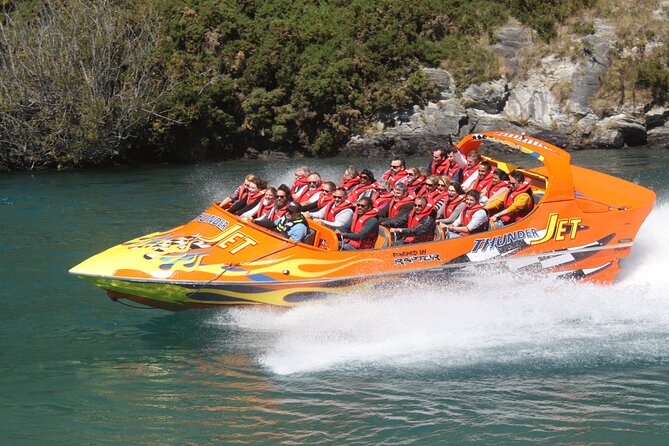
The Shotover Jet near Queenstown is the world’s most famous jet boat ride and for good reason. The journey takes you through the narrow Shotover River canyon at speeds up to 95 kilometers per hour, with drivers performing 360-degree spins mere meters from canyon walls. The canyon’s towering rock faces create a dramatic setting, and the rides are carefully choreographed to maximize excitement—drivers know exactly where to spin, when to accelerate, and how to play with passengers’ expectations. The whole experience lasts about 30 minutes but feels simultaneously longer and shorter than that thanks to the adrenaline surge.
Dart River Jet Safaris in Glenorchy offer a different experience—less extreme speeds but more pristine wilderness. The journey travels deep into the World Heritage Wilderness area, with Mount Aspiring National Park providing the backdrop. Drivers share information about the area’s geology, Māori history, and the role these locations played in filming Lord of the Rings. The combination of adventure and education appeals to families and those wanting thrills without pure intensity.
Hukafalls Jet near Taupo navigates right up to the base of the mighty Huka Falls, where 220,000 liters of water per second thunder down an 11-meter drop. The boat approaches close enough that you feel the spray and hear the roar, making it a spectacular natural phenomenon combined with adrenaline-pumping boating.
Jet boating suits virtually everyone—young children, seniors, and people who would never consider bungee jumping or skydiving. The boats are designed with safety in mind, and you’ll wear life jackets throughout the ride. Operators recommend bringing a waterproof jacket or wearing provided rain gear, as you will get wet, especially if you’re seated at the front or during spin maneuvers.
White Water Rafting: Conquering the Rapids
New Zealand’s rivers range from gentle floats to thundering Grade 5 rapids, with guided rafting trips available for all experience levels. The country’s strict safety regulations ensure that even challenging rapids are managed by expert guides using top-quality equipment.
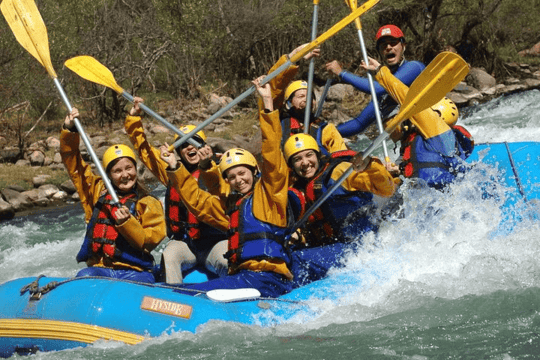
The Shotover River near Queenstown offers Grade 3-5 rapids through the spectacular Shotover Canyon. Don’t let the Grade 5 rating intimidate beginners—guides expertly navigate the most challenging sections, and participants wear wetsuits, helmets, and life jackets for safety and comfort. The canyon scenery rivals the rapids for drama, with sheer rock walls creating a genuine wilderness feel despite being close to Queenstown. Several operators combine rafting with other activities like cliff jumping or cave exploring, allowing you to build a full day of adventure.
The Kaituna River near Rotorua includes the world’s highest commercially rafted waterfall—a seven-meter drop at Tutea Falls that delivers an incredible rush. The river flows through native forest and geothermal areas, with steam rising from the banks in places. This makes for a more accessible introduction to rafting than the Shotover, with Grade 5 rapids providing excitement without the extended commitment.
The Rangitikei River on the North Island provides options for families and first-timers, with Grade 2 sections that build confidence before progressing to more challenging rapids. Multi-day trips on the Rangitikei combine rafting with camping, creating an immersive outdoor experience where you’ll sleep under the stars and wake to birdsong.
What makes New Zealand rafting special is the combination of pristine wilderness, professional guides, and proper equipment. Guides know their rivers intimately—which rocks to avoid, where eddies form, when to paddle hard, and when to enjoy the ride. Many are natural comedians who keep spirits high even when the water is freezing. After the rafting, most operations provide hot showers and refreshments, acknowledging that you’ve just spent several hours getting soaked and working hard.
Hiking and Trekking: The Great Walks and Beyond
While not traditionally categorized as adventure tourism, New Zealand’s hiking culture embraces both gentle nature walks and serious multi-day treks requiring fitness and wilderness skills. The country maintains ten “Great Walks”—premier tracks showcasing the best landscapes.
The Milford Track in Fiordland is often called “the finest walk in the world.” This 53.5-kilometer track takes four days, passing through ancient rainforest, alongside glacial rivers, over mountain passes, and past waterfalls including Sutherland Falls. You must book months in advance and stay in designated huts each night.
The Tongariro Alpine Crossing offers the most dramatic day hike—19.4 kilometers through volcanic landscapes with emerald lakes, steaming vents, and views across three volcanoes. The track requires reasonable fitness, but thousands complete it each summer.
The Routeburn Track connects Mount Aspiring and Fiordland National Parks, delivering 32 kilometers of alpine scenery over three days. The track reaches above the tree line, providing mountain views and chances to spot kea (alpine parrots) and fantails.
Kepler Track loops around Lake Te Anau, with the highlight being the alpine ridge walk providing 360-degree mountain views. This 60-kilometer track takes three to four days and is considered moderately challenging.
The key to enjoying New Zealand hiking is matching the track to your fitness level, carrying proper gear (weather changes rapidly), and respecting the wilderness. The Department of Conservation website provides detailed information about every track.
Glacier Experiences: Walking on Ice
New Zealand’s West Coast is home to Franz Josef and Fox Glaciers—two of the most accessible glaciers in the world. Unlike most glaciers requiring days of trekking to reach, you can drive to within a short walk of both terminals.
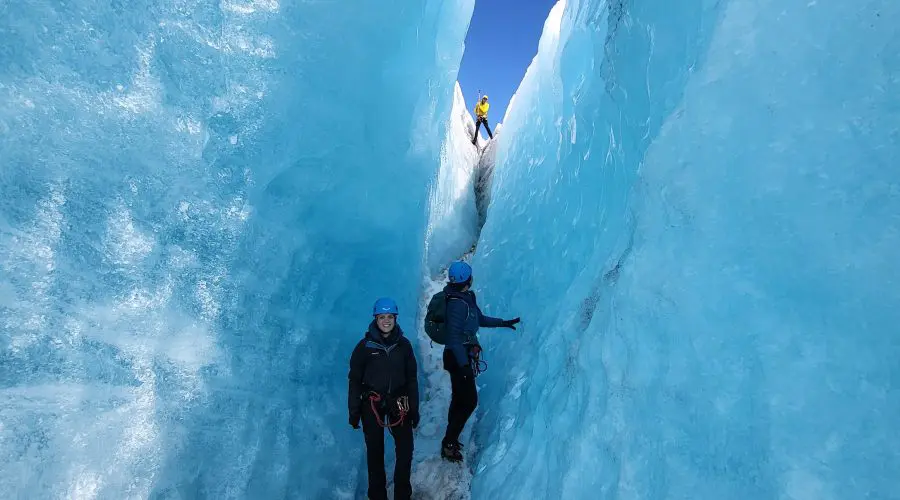
Glacier Heli-Hikes combine scenic helicopter flights with guided hiking on the glacier surface. The helicopter lands on the upper glacier, where guides lead you through an ice wonderland—past blue ice caves, over crevasses via ladder bridges, and through ice tunnels. The experience typically lasts 3-4 hours on the ice, with crampons providing grip. Weather plays a huge role—cloud and rain can cancel flights, so build flexibility into your schedule.
Terminal Face Walks offer a more accessible option for tighter budgets. These guided walks take you to the glacier’s terminal face, explaining glacial geology and climate change impacts.
The glaciers sit in the middle of temperate rainforest—a rare combination found in few places worldwide. The region receives substantial rainfall, which feeds the glaciers but can impact your visit. Pack rain gear and prepare for possible weather delays.
Sea Kayaking and Marine Adventures: Peaceful Yet Adventurous
Not every adventure requires speed or heights. Sea kayaking in New Zealand’s coastal waters provides contemplative adventure where you’ll paddle through marine reserves, past fur seal colonies, and into secluded bays accessible only by water.
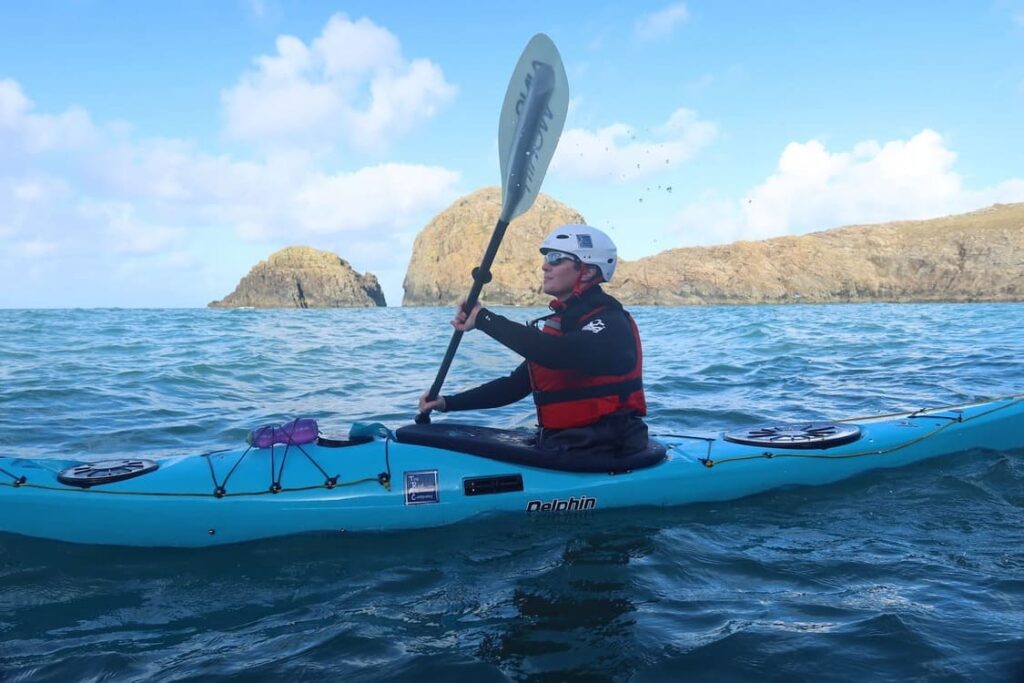
Abel Tasman National Park offers New Zealand’s premier sea kayaking destination. The golden sand beaches, crystal-clear waters, and native bush create a paradise setting. Multi-day guided trips combine kayaking with hiking, camping, and swimming in sheltered bays. Even complete beginners can safely participate—guides provide instruction, stable double kayaks, and all necessary equipment.
Milford Sound Sea Kayaking delivers more dramatic scenery—towering waterfalls cascade into the fjord, mountains rise vertically from the water, and dolphins and fur seals regularly appear. The scale from a kayak perspective is humbling—waterfalls become overwhelming when you paddle beneath them.
Kaikoura on the South Island’s east coast offers unique marine mammal encounters. Seal colony kayaking tours paddle among New Zealand fur seals in their natural habitat, while swimming with dolphins programs allow you to join pods of Dusky dolphins in the open ocean.
Marine adventures benefit from strict conservation laws that protect marine life and ensure sustainable tourism. Operators must maintain distances from marine mammals, limit group sizes, and follow codes prioritizing animal welfare.
Practical Planning for Adventure Tourism in New Zealand
Safety considerations: New Zealand’s adventure tourism industry operates under strict safety regulations enforced by government oversight. The Adventure Activities Regulations require operators to undergo regular safety audits, maintain equipment standards, and employ properly trained guides. Always verify that your chosen operator displays current safety certification.
Best seasons: Summer (December-February) offers longest days and warmest weather, ideal for water sports, kayaking, and hiking, but brings peak crowds and higher prices. Autumn (March-May) provides excellent conditions with fewer crowds. Winter (June-August) is best for skiing but limits some outdoor adventures. Spring (September-November) brings variable weather but fantastic wildlife viewing opportunities.
Booking strategy: Popular activities like Milford Track hiking, bungee jumps during peak season, and glacier heli-hikes can book out weeks or months in advance. Book high-priority activities first, then build your itinerary around those commitments. Consider travel insurance covering adventure activities—standard policies often exclude high-risk activities.
Budget expectations: Adventure activities aren’t cheap, reflecting high safety standards and expert guides. Budget approximately NZD $200-300 for bungee jumps, $300-450 for tandem skydives, $150-200 for jet boat rides, $150-250 for rafting trips, and $400-600 for glacier heli-hikes. Great Walks require hut bookings ($70-140 per night) or camping fees ($15-30 per night).
Physical fitness requirements: Most adventure activities have minimum age limits (often 10-13 years) and maximum weight limits (typically 100-120kg for tandem activities). Bungee jumping, jet boating, and tandem skydiving require no particular fitness. Rafting, sea kayaking, and glacier hiking require moderate fitness. Multi-day hiking demands good cardiovascular fitness and ability to carry a pack for several hours daily.
New Zealand’s adventure tourism industry has spent decades perfecting the balance between thrills and safety, accessibility and authenticity. Whether conquering your fear of heights with a bungee jump, experiencing the rhythm of multi-day hiking, or paddling among seals in pristine waters, you’re engaging with experiences that will stay with you long after you return home. The key is choosing activities that genuinely appeal to you rather than feeling pressured to tick boxes on someone else’s bucket list. New Zealand accommodates both extremes and everything in between.